• “We’re all gunna die!” someone screams in a crowded supermarket. People’s ears prick up and they start attentively scanning their surroundings. “We’re all doomed!” comes the voice again. Some people feel that spike of adrenaline and become hypervigilant, causing them to hit the deck or rush for the exit. A few ignore it or laugh it off. Some warily begin searching for the source.

    What they find is a young man seated on the floor with his knees pulled close to his chest. He is visibly shaking and crying uncontrollably. A quick scan of the area shows no sign of imminent danger. The security guard announces that the police have been called and a middle-aged female staff member kneels to see if the man is hurt.

    When the smoke clears it was a personal crisis, a severe panic attack. Everyone goes on with their lives and has an interesting story to add to their repertoire. The young man attends therapy and is eventually prescribed anti-depressants. With regular counselling and cognitive behavioural therapy, he learns to adjust his thinking and significantly reduce his anxiety.

    The end.

    Have you ever heard someone ask, “am I gunna die?” when they have an inexplicable pain or symptom? And some smart-ass replies “we’re all gunna die”. I’m sure I’ve said it a few times thinking myself rather wise. While the statement is true, it is obvious that was not the question. “I am going to die” and “I am going to die next Thursday at 12:45PM” are two very different assertions which stir up very different reactions.

    Okay, so we have established that our time here is limited and at some point, our bodies simply shut down and rot. We also have zero empirical evidence regarding what happens to our consciousness after that. We have plenty of anecdotal evidence and we of course have many more religious and spiritual concepts, but nothing is certain. That is the basis of faith after all, to believe (or for the truly devout; have complete trust) without evidence.

    If you have been reading this blog for a while I hope you know that this is not the part where I start lecturing on ‘living life to fullest’ or ‘live and love like there’s no tomorrow’. My interest lies with where platitudes like this come from, what they mean in practice and how that affects our behaviour and interactions. Along with religious doctrine and any other theory prescribing the ‘right’ way to spend our finite existence in this mortal realm.

    “Don’t waste your fucking life!”

    “What am I supposed to do with this life?”

    Sooner or later we all face these existential wake up calls. Many choose to ignore them or just go along with whatever is the latest version of “living your best life!” I would place those on a spectrum between the steady family life and party hard!!! Be a good citizen, get married and raise the next generation. Alternatively, you may choose to numb yourself with booze, drugs and casual sex. Ife is too short! Enjoy yourself before it’s too late. I suppose the happy medium would be, party hearty in your youth and settle down later. I believe that 25 would have been considered the ‘correct’ cut off point, but man, time really does fly when your having fun. Or perhaps, you lose track of time when you are munted on a regular basis. Something like that.

    Maybe you need to travel further along the spectrum to an extreme like some form of religious or political zealotry: use your time trying to change the world, save people’s souls or perhaps become a celibate, vegan living in a cave. It’s good to be passionate right?

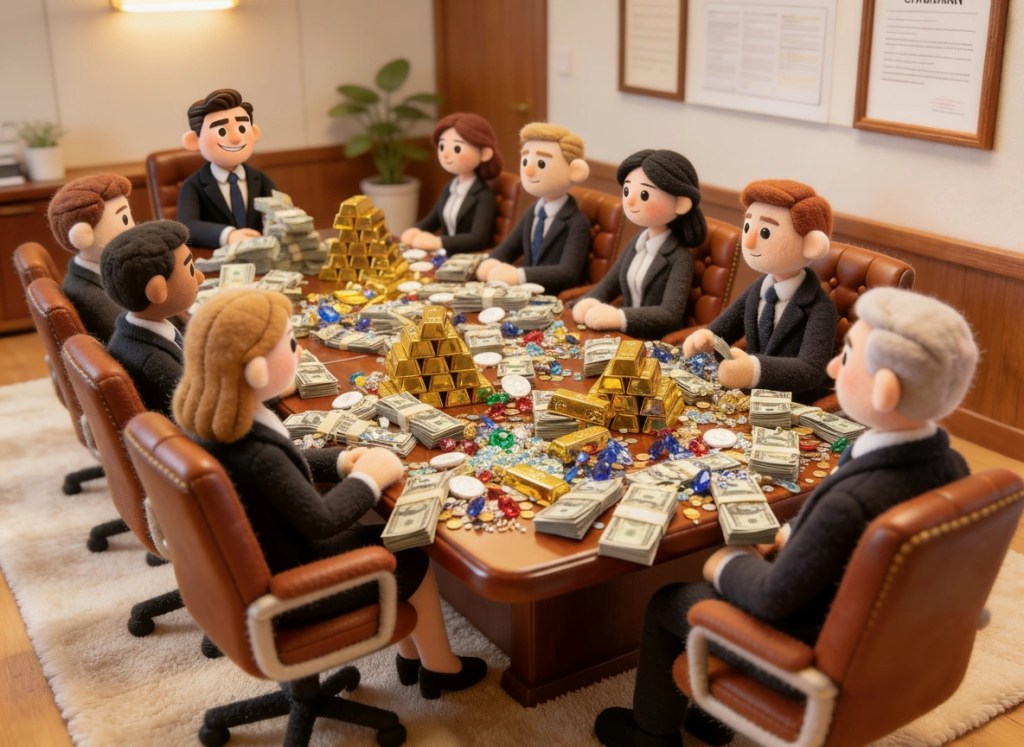
    Money, career, power. You can really make a difference. You will have visible success, and people will have to respect you! Influence and the ability to create real change. Or perhaps you just want to flaunt your wealth and revel in the envy of others. High class decadence, that’s the way to go! You only live once, so make sure you do it first class all the way; experience all the luxury and pleasure life has to offer.

    Hang on a minute! What about the delights of nature? Rainforests, waterfalls, beaches and all that shit. The best things in life are free you know. I’ll become an intrepid backpacker travelling on tight budget. See the world; meet different people, eat exotic food, trip out on peyote.

    Wait a sec! Hallucinogenics! Yeah! Open the third eye man. See new dimensions and shit. Maybe go a different route through meditation or yoga or follow some charismatic guru. One with the world. One with nature…surfing! Those guys are fucking cool man.

    Why not scuba diving, hang gliding? That stuff looks awesome! Fuck it, skydiving, mountain climbing, bungee jumping! You have to push yourself; face your fears. I’m gunna train for an MMA fight! I’ll work as a bouncer just to test myself.

    All that is selfish man. I wanna help: Doctor, nurse, paramedic. I’ll start my own charity; go build wells in impoverished villages. I’ll rob banks and give the money away. Bingo! Fuck society and its fucken rules. I’m gunna be an outlaw – freedom or death!

    Okay I’ll stop now. Thank you for taking whatever that was with me. The point I’m trying to make is that “a good life” or however you wish to label it is, like beauty, in the eye of the beholder. Or maybe consider this: are you proclaiming that your chosen path is the ‘right’ one because it feels right to you? Because it is what you excel at? Or maybe even because you put so much time and effort into it, the idea of it being a mistake is unthinkable?

    Have you followed the herd unquestioningly and are only now realising that you should/could have done something else? Did you forge your own path and wind up lost? Maybe you split and joined up with a new and exciting bunch of rebels who led you off a cliff. Was this wrong? Who gets to say?

    Are you doing stuff because you want to? Because you think you should? Or are you just going through the motions? What is the difference between being aimless and going with the flow? Other than the connotation?

    Are you doing it because it brings you joy or satisfaction? Or are you doing it because your gratification derives from the admiration or envy of others? Do you even know?

    Yes, we are all going to die and we can never be sure when that moment may come. Yes, you will often look back with pride or regret. You may well be laying on your deathbed one day wondering if you fucked it all up. Or maybe you’ll have a revelation that only comes at the point of death. Shit, I hope it’s a good one!

    Here’s a slight curveball to consider: all that talk about your life flashing before your eyes and deathbed flashbacks…You may drop stone dead and never have the slightest inkling of it. Is that bad?

  • If my amateur calculations are correct, the Zhou Dynasty in ancient China was entering its twilight years when Alexander the Great was conquering the world; a world in which China did not exist apparently. The Qin Dynasty would rise and fall; and be replaced by the Han Dynasty, all while Ancient Greece was the centre of the (western) world. Although, Ancient Persia was staking a major claim and closing in fast!

    On the other side of the world, the Mayan civilisation was well on the rise. I’m not sure how big the Egyptian empire was around this time, but it was certainly well established. In my limited knowledge, it seems the rest of Africa didn’t really kick into full-on empire mode until a bit later.

    The Aksumite Empire kicked off in Ethiopia around the time Rome was rising from the Ancient Greek ashes. All the while I believe The Han were still lording it over China and the Mayan Empire was getting into full swing. This whole expansion racket was a global craze!

    Northern native American tribes managed to keep their distance from the Mayans. Countless tribes of ‘savages’ and nomads wandered Africa, Europe and Asia managing to avoid absorption into the latest empire or empire wannabe on the hunt for new blood: 2nd class citizens or slaves, not a great choice.

    Britain and the Celtic lands were populated by primitive tribes until the Romans waltzed on in with their feckin’ civilisation. Other nations similarly separated by water from the mainland enjoyed a little bit of breathing space before the civilised hordes arrived. Places like the Philippines and Japan had a natural barrier for a while before they were ‘discovered’.

    The indigenous Australians seemed to have it made! All the way down there with oceans between themselves and the ever-swelling populations of the ‘advanced’ peoples. Naval technology would inevitably put an end to that blissful isolation as it would with almost all the pacific islands and New Zealand.

    Strangely enough it was this same technology which would eventually nearly wipeout the native American population. They managed to avoid getting co-opted by the Mayans, Incas and Aztecs only to be invaded by European aliens with newfangled weapons and technology (not to mention diseases). French and British forces would scramble to ‘claim’ this ‘free’ land and use a combination of treachery, violence and sheer weight of numbers to wipeout or displace the locals.

    The native tribes and even the empires to the south didn’t fare much better unfortunately. The Spanish and Portuguese were not going to miss out on this land grab, and it seemed there was plenty to go around. Except of course for those pesky locals. The awesome architecture, agriculture, arts and crafts and all-around organised culture of some areas made it difficult to label this land uninhabited by ‘civilised’ peoples. Unfortunately, the South American empires were way behind in the arms race and conquest was considered a ‘legal’ option.

    So now the swelling populous of Europe could spread themselves out and have a fresh start in a new unspoiled land. Problem being of course, that ‘civilisation’, once it is finished the murder and mayhem of colonisation, breeds population growth and sooner or later, we’re running out of room again. More on colonisation a little later.

    I’ll try and draw all these musings together for a moment:

    • Humans are a social animal; we were always going to band together.
    • Equilibrium with nature can only be sustained by keeping numbers low; lots of tribes is superior to empires in terms of ecology.
    • That’s not true! Things were fine with villages, towns and even kingdoms. Not even the early empires threatened the planet in any major way.
    • This is correct, however once the trajectory of expansion had begun it was going to continue relentlessly until it became a major problem.
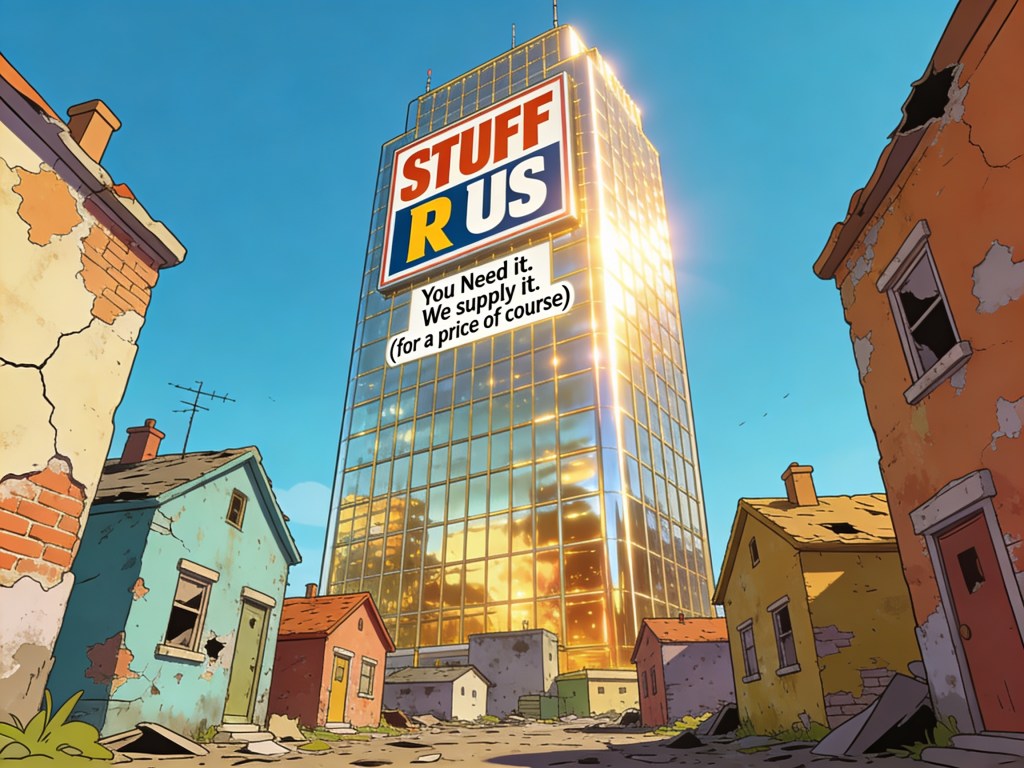
    • Just like today’s insatiable corporate appetite, it is more than just greed. You either grow or die. You must gobble up the competition and stay strong enough to stop being gobbled up yourself.
    • Once the pin has been pulled in the game of power, it can’t be put back in the proverbial grenade; not unless all sides agree to ‘enough is enough’ and have confidence that no one will take advantage of the deal. What are the chances? Nuclear arms race anyone? Who wants to be first to leave themselves defenceless?
    • Even if that miraculous agreement were achieved and followed, what happens then? How do you prevent population growth without draconian laws.
    • So:
      • Humans are not consciously trying to destroy their environment.
      • They do however have an inherent aversion to scarcity.
      • A way is found to provide more sustenance and more people are bred.
      • When the numbers grow bigger than a large tribe, kinship begins to deteriorate.
      • The temptation becomes too much for some, and they want more than their fair share.
      • Populations swell and the greedy manoeuvre their way to the control of the coffers.
      • Eventually the theft and raiding turns to outright conquest and the need to populate and arm up becomes essential.
      • This race continues to this day and no one country, corporation or institution is powerful or confident enough to stop it.

    “I’d like to share a revelation that I’ve had during my time here. It came to me when I tried to classify your species. I realized that you’re not actually mammals. Every mammal on this planet instinctively develops a natural equilibrium with the surrounding environment, but you humans do not. You move to an area, and you multiply, and multiply, until every natural resource is consumed. The only way you can survive is to spread to another area. There is another organism on this planet that follows the same pattern. Do you know what it is? A virus. Human beings are a disease, a cancer of this planet, you are a plague, and we are the cure.”                              

    Agent Smith “The Matrix (1999)

    Holy shit! That’s terrible! I’m gunna go have a beer now.

    Please explain how I am wrong or throw out potentially viable options in the comments. Cheers.

  • “Monday’s Experts

    Always know what’s best

    Always tell you what you should’ve done

    Monday’s Experts

    Always know what’s cooking

    How the game was lost and how it could’ve been won”

    Weddings Parties Anything 1993

    “Management is so fucken stupid here.”

    “Our supervisor couldn’t organise a fuck in a brothel.”

    I reckon it would be impossible to go three days in a row without hearing some version of these statements from a coworker and I am sure I have participated in many a bitch session over the years. Nevertheless, when a supervisory position becomes available, none of these naysayers put their hands up (including me). The opportunity to impart their wisdom just passes by and vanishes. It’s uncannily like the thousands of spectators in the song above.

    “I would have done things differently”. When? How? “I didn’t see you on the field or in the coaching box.” Could’ve, should’ve, would’ve. Some of them can’t even use old age or injury as a reason for their lack of participation; and for the ones that do:

    “Age gives you an excuse for not being very good at things that you were not very good at when you were young.”

    Thomas Sowell

    Most ‘sideline specialists’ have absolutely no awareness of the ridiculousness of their posturing. How could they? They are too busy arguing their brilliant insights with all the other masterminds.

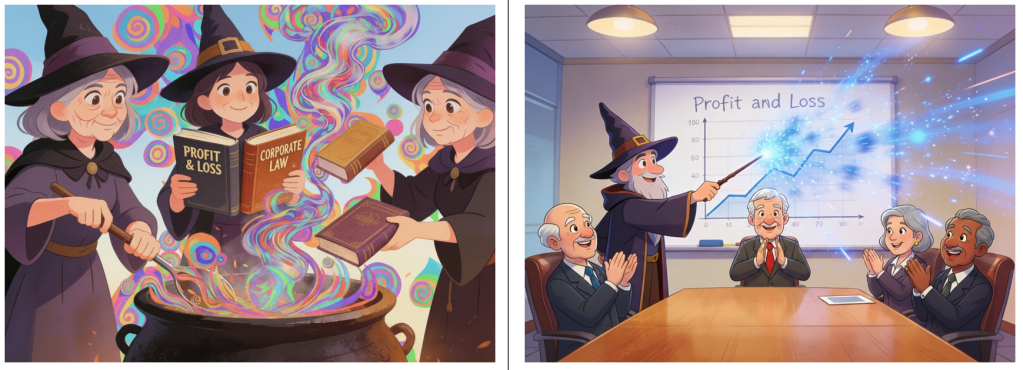
    Workplace wizards operate on the same wavelength I believe. We all have ideas and suggestions on how to improve things, but no overall concept of the difficulties involved with implementing change in a large workforce. Even despite the fact that we are likely to be the very ones who distrust and resist any such change.

    Being in the industry does give you a certain degree of insight and having performed many different roles would certainly increase that; maybe more than the person who has spent a lot of time doing the same job, although that could translate into a form of specialised expertise…or brain death.

    Just like a spectating sage who spent many years as a youth playing the game, their suggestions are not entirely without merit and that would increase with experience playing different positions and with different teams: even more so if they had been a captain or maybe they coach/ed kids. However, in the end the arguments are purely academic.

    From the sideline it’s a lot easier to see the next best move when you aren’t fatigued and stressed like the people on the field. It’s easy to make coaching calls when you are under no pressure and have no accountability. Mike Tyson once famously said “everyone has a plan until they get punched in the face”.

    After the game, the silliness of the wise ones reaches new heights. 20/20 hindsight is a wonderful thing.

    “Pity you can’t put a bet on at the finish of the race.”

    Mondays Experts by WPA again

    In some ways I am one of those with a little more understanding of the supervising/ management game. I was a ‘warehouse manager’ in my younger years. I even had certificates from TAFE in supervision and management – whoop dee do! With that knowledge, plus my years of experience in various jobs over various shifts and sites, I am probably able to give a few unique perspectives if a boss is interested.

    Any ideas I choose to share during one of those unofficial workers only debrief sessions are purely theoretical. Riding an exercise bike has its benefits, unless you actually want to ride somewhere. Ask yourself: is this a thinktank that will report back to management? Or are we spinning our wheels?

    The most ridiculous impromptu analysis culprits are the reverse fortune tellers. The ‘Monday’s experts’ of the workplace. It’s cheeky enough to deconstruct the outcome of someone else’s past decisions and/or actions without knowing all the variables. It’s sheer hubris to insist that you would have done the right thing had you been in charge.

    Even an amateur game in the park has those few people ‘responsible’ for making the decisions, in the moment, and executing the plays under pressure. The rest of us are just blowing smoke, but hey, it feels good pretending to be involved. It is also fun to participate in hypothetical dissections after the game with fellow enthusiasts.

    So, I guess I am seeing a correlation between armchair experts and employee management maestros. The sporting examinations come from passion and a shared interest; that cannot cross over by the way. If we’re talking rugby league, you’re AFL or soccer post-mortem will have to wait or maybe you can find another group of boffins to give your five cents worth.

    Workwise it is an inevitable urge to, for lack of a better term, gossip. We all have ideas on how to improve things, and we all have certain rules and procedures we disagree with. In small doses it can be a way to just let off some steam. In excess it can become grandiose masturbation! It keeps you amused but is ultimately useless to everyone else.

    If you aren’t willing to get in the game (sport or workplace responsibility) just remember that opinions are like assholes and until they are tried and tested in the real world, they are just chatter. So, try and keep it entertaining I suppose I’m saying because you really aren’t solving your company’s, or the world’s, problems. You’re just having a chat.

  • I mentioned in an earlier post how cut off generation Xers were in Australia regarding sports and martial arts. Well, the same goes for pretty much all information. The library was not high on our list of places to be, and the Dewey Decimal System was like a foreign language. As I also mentioned in the earlier post, the Encyclopaedia was almost always the first and last port of call if research was unavoidable.

    Now and then myself and my uncool school friends would spend lunch in the library for a little peace and quiet, but it was hardly a scholarly endeavour. We usually gravitated to the books on weird stuff. I can’t think what the section would be called. Ghosts, UFOs and that type of shit. There was a large, illustrated Encyclopaedia of Horror we often went through. Pretty much anything about sex or with pictures of naked women would be scooped up. We weren’t studying the sciences or Shakespeare is what I’m saying.

    It wasn’t a large library, and I can’t recall visiting any others out in the community where it wasn’t part of some school excursion. I was a bright kid, and I did pretty well in most classes, but research just wasn’t a big thing for me, and I cannot think of anyone who took it seriously; it just wasn’t important to us.

    We learned what the teachers and the textbooks taught us. Independent research was something ‘smart’ people did, and critical thinking was an abstract concept. Everybody had a friend or relative who was rich enough to have an A-Z encyclopaedia in their house and if you had to research anything you would go over there. The other option was the 10c photocopies from the library: encyclopedias never leave the library!!!

    I don’t believe anyone who grew up with Google can properly fathom the quantum leap in access to information that took place in such a short period. Google the Dewey Decimal System and see what search engine we were working with. It was fucking absurd! Come to think of it, the idea of Google would have been difficult to explain to any of us back then!

    Our non-academic information came from TV news and current affairs; radio talk shows; Newspapers; and the only way to get more specialised info – magazines! If you ever wander into an old-style newsagency and wonder what all the shelves were for, there’s your answer. That small section in the back used to take up the bulk of the store.

    Women’s and gossip mags were usually the biggest sellers: Woman’s Day, Cosmopolitan etc. ‘Men’s’ mags, so to speak, were the ones with the naked women and only for over 18s. “I only read them for the articles” was the standard line. People and Picture magazines were the softer version anyone could buy. There were magazines like Men’s Health and other boring stuff for blokes I can’t remember too. I was usually there for comics or the latest MAD Magazine.

    There were music and movie magazines, a host of magazines targeted at teens. This was the era of the pin-up poster. The centre two pages was often a glamour shot of the latest celebrity idol. The ‘men’s’ magazines also had ‘centrefolds’ if that word rings a bell. Reckon I’ll do a few deeper dives into these artifacts of my youth (all of them, not just the nudie ones).

    There was a magazine or two for practically any interest, and if there wasn’t, there would eventually be a limited series release: Fishing, fitness, sewing, guns, knives, cooking, camping, surfing, martial arts, sports, gardening, music, homecare, science, art, electronics and on and on. Some were monthly, others bi-monthly or only a few time a year depending on demand as always. If your avocation was not a popular one you may have a rather limited selection. Of course, you could try subscribing to magazines only available in other countries if you were really keen.

    There were also a constant stream of collectors sets or something like that. They would advertise on television and would only be available for a limited time. “A new part every week, collect them all! Only at your local newsagent”.

    Of course, if you missed out those you could always subscribe to a book company such as Time/Life and receive hardcover illustrated books on similar subjects:

    • Animals from around the globe
    • Greatest battles in history
    • Discover the human body
    • The most notorious crimes ever.
    • Discover ancient Egypt.
    • Uncover the unknown – Bigfoot, The Loch ness Monster, vampires: a new one every week!

    There were plenty of how-to mags and collections too: woodworking, mechanics, computing (BASIC stuff), photography (the kind with film, darkrooms and chemicals), painting, drawing, magic, witchcraft and on and on.

    I have deviated from my intended path yet again, and yet again I have stumbled on an unexpected gem! You often hear oldies saying that the library was our internet, and I was one of them. It has just dawned on me that those magazines were our internet! Nowhere near as wide ranging and seemingly infinite, but a shitload of specialised and eclectic information at your fingertips, for a price, however – another reason to appreciate the internet!

    Hang around in the shop reading for too long and you’re sure to hear “hey, this isn’t a library you know! Buy it or put it back buddy!”.

    All the smut and porn (where us kids had to sneak around), the celebrity glamour and dirty laundry. History, art, science and geography. Entertainment, obscure information, instructional stuff, geeky stuff, all kinds of weird and wonderful words and images…and almost none of it could be referenced in your essay. Yes, ladies and gentlemen, when Gen X was your age, our Google was the unscholarly sections in the library and those glorious magazines!

    The library proper was more like Google Scholar…without that fucken Dewey Decimal System.

  • Joe just secured a contract with a national retail chain. Demand for his chairs has now risen sharply! Not only will they take any surplus he has now, they can also easily absorb as many as Joe and #2 can turn out from now on. It’s time for our entrepreneur to do some calculations.

    Joe is sitting in a business sweet spot, but he must keep his big new customer happy. It would be foolish to cease providing inventory to the small stores that helped him get started, which make for about half of his present sales; the rest are sold online and are a bit of a pain logistically. He decides to put that side of his service aside for the time being and focus on keeping the stores in stock and on side.

    After talking to his accountant, solicitor and bank manager Joe realises he needs to do some market research and projections. Joe has no clue about this and will need to hire and spend time with a consultant or firm. The time he saves not fumbling around with a webpage and completing tiny orders will allow him to shuffle things around and get to appointments. However, there is no denying that he can no longer spend as much time making chairs as he used to.

    This means that #2 is in line for a nice promotion and a raise in pay. After advertising positions, Joe has opted for hiring 2 new employees: #3 is another skilled woodworker with her own tools and she will start on #2’s original wages. #4 is a young trainee fresh out of school, so Joe will pay him minimum wage until he gets more proficient. Of course, the kid will be much less productive that the two skilled workers and he will also need to have tools provided.

    Joe has a few numbers to crunch before applying for that business loan:

    • He has to fork out for the solicitor, accountant and Market Research.
    • He must purchase a set of tools for his trainee
    • He needs to invest in some extra machinery (band saw, lathe etc.) now that more people will be needing them.
    • The inventory is going to need bulking up and regular restocking.
    • All the insurance, superannuation and what not needs to be paid up.

    On the other hand, he knows the demand is not limitless, nor is it guaranteed to last, so after all the research and equations are done it’s still a gamble. Joe takes on this risk along with the odds his new hires are good ones. Yes, he will be leaning on #2 more, but that is the purpose of the promotion, another punt for Joe. Will #2 be an effective supervisor?

    This is yet another diversion of the owner/employee path. #2 has not been asked to share the financial risks and ultimate decisions regarding the future of the business. Being given more responsibility does not equate to being a partner or shareholder. Even if Joe turns out to be a nagging pain of a boss and calls #2 all hours expecting help, he still has the right to pocket the biggest piece of the pie.

    Whatever Joe offers #2 is just that – an ‘offer’. That is the moment #2 needs to be very curious about what his new duties will be and how he will be compensated. If there is an actual contract involved, he also needs to ensure there is a review period for him, not just Joe. When things get hectic and possibly heated, that agreement will be very important.

    For the purpose of this story, we’ll assume Joe is a generous and honest employer. He and #2 work out a pay rise and use of the company van etc. Joe will pay for #4 to get carpentry training and #2 is responsible for his on-the-job training, along with allocating and supervising his and #3’s daily tasks.

    Moving forward, #2 is going to be replacing Joe in the workshop whenever he is away. Joe will still be in most days helping production, but he now must be ready to take care of any issues or enquiries his big new client may have. He is also going to have to do some learning himself on the business and marketing side of things.

    From my own experience I am certain that #2 is going to feel a lot more stress and I wish him well. Joe is going to have his hands full and will obviously be expecting #2 & #3 to be turning out the 10 chairs a week quota very soon. With himself and #4 chipping in he would be hoping for 15 at least.

    For now, he’ll be sticking to paying an hourly wage. Mostly because changing things to piecework would mean a whole new batch of paperwork and confusion and he just wants to get his new employees into the groove.

    I won’t turn this tale into a business ledger, so I’ll end it here. It’s given me a clearer idea of the owner’s POV. Like the tribes in my other thread though, things become increasingly complicated once the growth hits a certain point. Time will tell.

  • We were staying in a caravan on the beach down at Coledale. Earlier in the day when we arrived, I had noticed what looked like a cave up one end of the beach. After a night of drinking and debauchery at a pub in Thirroul we had all returned to the caravan. Pot was on the menu at this stage, and I wasn’t particularly interested in the nauseating effects of mixing pot with massive amounts of alcohol. I left the caravan and sat on the beach watching the waves crash in the night.

    Sitting there I suddenly recalled the cave I had scoped out earlier in the day. I leapt to my feet and decided I was going to go exploring caves at 3am drunk as a skunk. From nowhere Mick appeared at my side and upon hearing my mission decided to accompany me. We both headed off up the beach to where our adventure would soon begin.

    We arrived at the rocky edge of the beach and followed the cliff face around to where the cave was meant to be. After a few meters we were met with a rock face that merely bent inwards a little bit and then stopped dead. No cave. No spelunking. No adventure.

    We stood there disappointed for a while and then we turned to face the ocean. We were standing on solid rock, and it stretched out toward the water for about (in my hazy drunken memory) 20 meters. Right at the edge of the rocks and the ocean was a large rock that stood there like a podium.

    I don’t recall us discussing anything, but we both determined to walk over to that podium rock. There was no real wave action as we walked over to the rock formation, and it all seemed quite uneventful.

    Almost at the exact moment that we reached the podium the ocean decided to rip in full force. Waves began crashing all around us. I bent over and gripped the rock as hard as I could. Waves seemed to be pounding us from all directions. I was holding on to the rock; Mick was holding onto me, and we were both being pummelled by an angry ocean.

    I can clearly remember calling out to Mick “hold on tight mate, we don’t want to be on the news. They’ll be saying ‘what the hell were they doing there?’ and ‘their blood alcohol was…’ “Drunken fuckwits!!!”

    I don’t know how long we were stuck there, but eventually the waves backed off, and we made a mad dash for the beach. As we reached the sand, we could see a few figures walking towards us. Some of the guys had noticed us missing and had set off to find us.

    I can’t remember who it was that found us, but they were looking at a couple of drowned rats. We were soaked through to the bone; still dressed in our jeans, collared shirts and leather shoes. What well-dressed corpses we could have made.

    We sheepishly dragged our drenched hides back to the caravan and that is where my memory fades. I don’t recall getting changed into dry clothes or where I slept that night. My recollection drops out with Mick and I being led back to the caravan by some faceless mates.

    Another notch on the belt of lucky escapes; escapes from misadventures that never should have been encountered. Drunken escapades that ended in perilous predicaments that could have been avoided with just a tiny bit of forethought; but forethought is in very short supply when you are hammered.

  • ***Here’s Your One***

    The rumour was that this movie had one of the greatest twists ever! Big claim. Unfortunately, I will never know. Despite being a card-carrying film fanatic, I have not ever been very good at picking ‘whodunit’ and any other plot twists. I was not even looking for the real Keyser Soze in The Usual Suspects (1995) and still reckon my mate Mick was full of shit when he told us all that he knew it all along. I was just enjoying the film, although I don’t remember any hype about that particular surprise when the movie was released. Even though it would become just as famous as the one in the M. Night Shyamalan film I am lamenting here.

    The Sixth Sense (1999) was marketed on its unpredictable reveal. It was also reviewed as a great thriller, but the shock turn was what people were talking about. I was obviously very excited about this. However, I was spending a substantial amount of my free time in the pub at this age and not going to the cinema as often. Watching movies on video was a nice hangover activity. It was also a fun beer drinking activity, although it could be difficult holding that experience in long term memory.

    Either way, I did not see The Sixth Sense at the cinema and had not been informed of the twist yet. There was usually a lag of something like 6 months before a movie was released on video after its cinema run, so I was keen to catch this one when it first arrived at the stores.

    I was also a raging pisshead. At this point in my drinking career, it was not unusual to get wasted on a Friday after work, go home to crash, and be back up the pub not long after lunch on Saturday (my gut churns at the memory).

    The set-up of this story makes me think there was some kind of event up the pub that day, though I have no clue what it was. However, for some reason I rang Wayne (my mate who lived down the street) before heading up. He told me he would be up a little later because he was watching…you guessed it!

    So, I went up and got myself a beer. As soon as I sat down at the table, Jonno asked me if Wayne would be joining our session. I informed him that Wayne would be up soon and that he was currently watching The Sixth Sense on VHS. Without warning, Jonno’s first response was “when did you figure out he was dead?” …

    You utter bastard!!!

    Do you realise what you have done???

    “I haven’t seen it yet” was my dumbfounded reply.

    Jonno went for a quick recovery and said “I didn’t say WHO was dead”

    You also didn’t say ‘what’ was dead my friend; and that is my cat still in the bag experience of this movie everyone has been raving about. Now I am not saying I would have figured it out, but I missed out on one of the joys of great cinema! That moment! That reveal you didn’t see coming! The ‘Keyser Soze was Verbal Kint all along!!!” moment. It is one of the reasons I fell in love with movies. It has been done clunkily many times, but when it lands, it is awesome! And it can only succeed one way: a great story. Draw us into the plot and the characters, fascinate us. If we’re not loving the story, the misdirection may slip.

    Watching The Sixth Sense knowing Bruce Willis is a ghost was like watching half a movie. It was so obvious and yet I could still see the brilliance behind the cinematic deception. It’s always fun to revisit a film that really put one over on you and watch how the ruse was orchestrated. Not so much when you’re sleuthing skills never got tested the first time though.

    For a cinema buff it’s the equivalent of finding out the score of a big game you recorded before you get the chance to watch it. There is a reason they call them ‘spoilers’. Of course, a great film must be more than just a twist. Especially if you want people to re-watch. Be that as it may, the tough fact is an awesome twist can only be experienced once (if your lucky) and it’s enjoyable either way: you are either amazed or feeling proud of your powers of perception.

    One final thought going back to The Usual Suspects. It presents a fascinating storytelling conundrum once the thrill of the reveal subsides. You realise you just watched a movie about a chain of events that never really happened. “Der! That’s what fiction is dumbass” I hear you say. True but this time the characters and situations you experience where the bullshit stories of one of those fictional characters…

    I’ll go into that more at a later date.

  • First was nothingness…I can only assume, and then we’re born – Pow! ‘Welcome to the world’. No say in the matter whatsoever – How rude! There I was blissfully unaware of anything at all and now I’m here covered in blood and slime, having to breathe on my own – this is bullshit. Ouch, they just cut me! “Breathing isn’t the only thing you need to do now buddy. Pretty soon you’re gunna get hungry. Trust me, you’ll know it when it happens”.

    Out of oblivion and soon you will become aware that you will eventually return, if it’s even possible to return. Or is return the wrong word? Are there alternate voids? Whatever, you have no clue what, where or if you were before you popped out and you are no wiser as to what will be, or not be, when this body shuts down. That’s all we know for sure; what has been witnessed, from the outside (or are we inside our world and the dead leave?) over the history of our species.

    At some point everybody’s ‘body’ just stops functioning. The lights go out behind the eyes, and all the organs slow to a halt. If you saw this and had no prior knowledge of death, you might consider it a type of trance. Once the decay began you would need to come up with a new theory though. Shit man! After the animals, bugs, worms and bacteria finish their feast, that ‘person’ has literally returned to the Earth. That must inspire some pretty fucken profound ideas!

    This has been the experience of every Homosapien that ever existed. We will never know exactly how this species came about, but you can be sure there was once a time when a shit load of them looked at the lifeless body of a fellow human and wondered what the fuck was going on.

    There is a definite ‘chicken and egg’ riddle in there too. Although, it seems to me that birth and death was taking place long before consciousness arrived. Where did our self-awareness come from? Good luck with that!

    Did an entire group become conscious simultaneously? It’s probably more a case of random primates switching on and eventually noticing a difference between themselves and the rest of the tribe. Many of them wandered off and our earliest ancestors were the ones who linked up. Clunky theory, but it will do.

    As higher cognitive function and communication developed, humans became people and people like to have answers to stuff. Thus, you see the rudimentary rise of philosophy, science and religion, along with a shit load of nonsense!

    Unemployment clerk: Occupation?

    Comicus: Stand-up philosopher.

    Unemployment clerk: What?

    Comicus: Stand-up philosopher. I coalesce the vapour of human experience into a viable and logical comprehension.

    Unemployment clerk: Oh, a BULLSHIT artist!

    History of the World: Part I (1981)

    The large percentage of these groups, while having distinct(ish) personalities, were content to play their part and keep their heads down. I have spent a long time describing the rise of the devious and greedy few, yet these were not the only anomalies. All the following traits (including greed & selfishness) exist in all of us to varying degrees and the ones who possess them in large doses will stand out from the pack: the curious and innovative, the cunning and strategic, the brave and strong, the adventurous and rebellious.

    The arts and sciences are an intrinsic part of our higher consciousness; we can’t help but try and explain existence and try to find solutions to problems. We also have a desire to improve our ways of predicting outcomes. The result would be: storytellers, medicine men, shaman and the like.

    Finding ways to treat wounds and ailments sounds pretty scientific, although I’m certain there would have been plenty of hogwash mixed in. Once a person is given an air wisdom and people defer to them, it can be difficult to admit you are stumped. A bit of highfalutin gibberish and some snake oil can go a long way in a pinch. Trial, error and bluff would’ve been the tools to succeed in this prestigious role.

    ‘Storyteller’ would have been a most important role. The one who holds the history and knowledge of the tribe and their ancestors; not to mention the sheer entertainment of a good yarn. A gifted tale teller wields a tremendous amount of power that goes mostly unnoticed. The ability to influence people’s emotions and sense of righteousness is a potent proficiency indeed and a smart leader would definitely make use of this person’s talent. If unchecked, a treacherous orator could cause untold damage.

    As I mentioned earlier, these positions of responsibility would have had their privileges and the one performing them would likely not want to forfeit such prestige. This being the time before Google, or the internet, or libraries, school, possibly even writing…being the local boffin might be a case of more ass than class is what I’m getting at.

    Be that as it may, it seems to me that taking it that little bit further and speaking to spirits, gods, trees and such wouldn’t be much of a stretch. A storyteller can alter the past, but a shaman can see into the future! Now that’s some serious sway!

    Start off with astrology and mysticism to test the waters; if they take the bait, why not go full on magic and witchcraft on ‘em? No fact checkers or sceptics around here for a long time to come.
    Another one that took on a life of its own. Not even sure what group to put this one in.

    Here endeth the rant.

  • Smithers (over loudspeaker): Attention Homer Simpson. You have been promoted. You are now an executive. Take 3 minutes to say goodbye to your former friends and report to room 502 for reassignment…to a better life.

    Simpson and Delilah

    The Simpsons: Season 2, Episode 2

    My experience with workplace hierarchy kind of went in reverse. My first permanent job was in a small factory run by 2 brothers. I was hired for the purpose of learning how to run the warehouse. It was a small business with only two other employees there before me. Two blokes old enough to be my dad and very set in their ways. The bosses’ wives ran the reception and office. One more bloke came on after me and that was it.
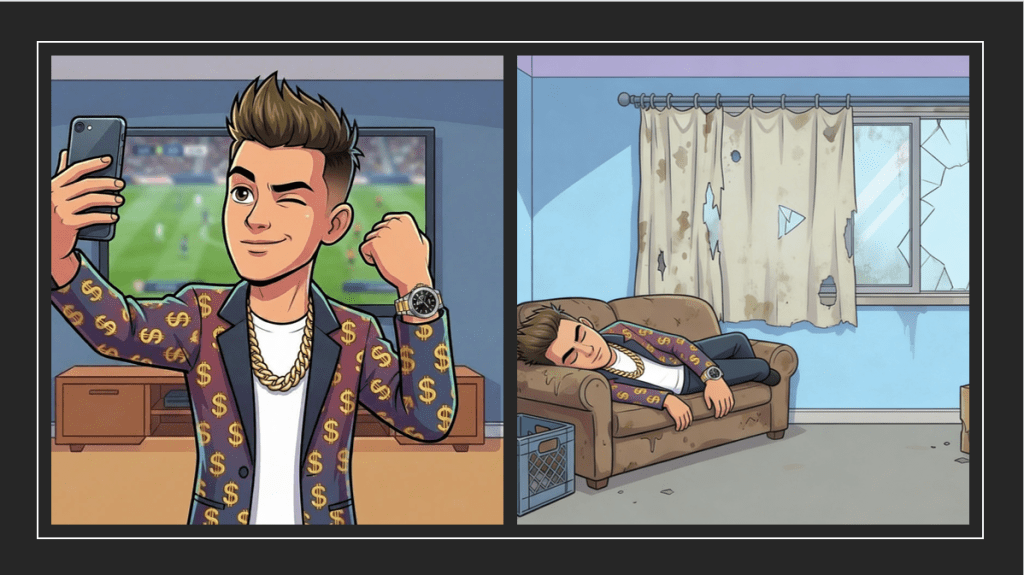
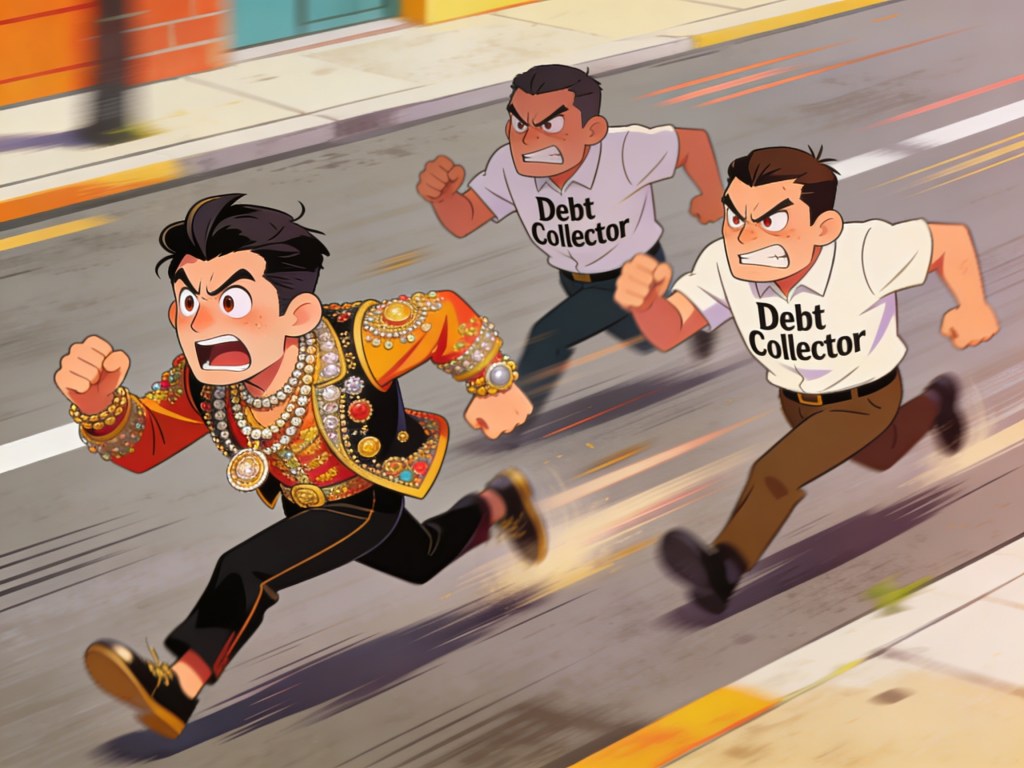

    They sent me to TAFE to study supervising and management and somewhere in my 2nd year I slipped into the warehouse manager position. Up till then the older of the veterans (Nick) considered himself in charge and was my first look at two workplace archetypes I would come across all through my working life:

    1. The long-term worker who sees his years of service as a reason to do as little as possible.
    2. The unappointed ‘supervisor’ who sees this position as a reason to do as little as possible. I will never know if he just thought it made him look busy or if he genuinely believed it was important, but he would sit down and peruse the invoices 3 or 4 times a day! Just moving them from one pile to another.

    He wasn’t bossy or rude, just very stubborn. Me and the other guy followed his lead simply because he had been there the longest. I don’t recall any big announcement of me taking charge and I didn’t notice any friction; how would you? The 2 bosses couldn’t get Nick to change his ways, what chance did I have?

    I found the whole experience to be a frustrating and exhausting one! TAFE was interesting and I learned plenty of theory, yet not much of it translated to the real world. Eventually I would quit and move on to zero responsibility and lots of beer guzzling at the happy house of hazards. I was truly happy for a while there too.

    That was around 25 years ago, and I have not taken a leadership role since. I have seen the whole gamut of supervisors, managers and higher ups. Not too high of course, you can see so much from the bottom. I am fascinated by the antics of these individuals and even more intrigued about their motives and expectations regarding taking the job.

    Way too many were variations on Nick from my first job. Being the ‘supervisor’ meant that you didn’t have to do much work. I was about to write ‘physical’ work, but these people don’t seem to exert much mental effort either.

    Singing Whale: Do you know what Headman really does?

    Gecko Lizard: He bosses people around.

    Singing Whale: No. He does what is best for the people.

    Gecko Lizard: By bossing them around.

    Singing Whale: Gecko Lizard! You really are dumb!

    “When the Man Went South” 2014

    I cannot remember the exact list of required duties for a supervisor (first line manager), but it was the first thing we learned at TAFE. Something akin to:

    Plan: Day to day or week to week at the most. The higher you move up the ladder the further ahead your planning will need to be.

    Organise: Putting the plan into action. Setting the schedule and delegating the tasks.

    Communication: Ensuring all our workers know what is expected of them and reporting back to management regarding performance, along with any issues or suggestions from the staff.

    A very simple formula, yet not an easy task. I reckon most people would be lacking in at least one of these aspects in general and when you start going deeper, the flaws will be exposed even more: Problem solving, time management, conflict resolution, decision-making, mentorship, interpersonal skills etc. That’s a lot to ask of someone who just wants to get out of doing manual labour.

    I do not believe that becoming a supervisor in a boring-ass, dead-end job was anyone’s goal as a kid. I’m sure some people take on the role with noble enough intentions; I am also sure that these people are the minority. The majority are either lazy, old, tired and/or carrying an injury, or a self-important wanker. It could be a mix of all these.

    I’ve seen all kinds: The guy who used to tell us all that he had worked for the company for 30 years as if it was a badge of honour and we should defer to him for this reason. When he realised people viewed his lack of upward mobility in that time as a fault, he became a supervisor. He didn’t make it to the next year. He was hopeless in pretty much all the required traits. He knew how to do the job on the floor fine, but that does not automatically translate to being a leader and it’s especially difficult when people openly mock you.

    I think people take moving up the ladder way too lightly; they only see the (very few) good points. You may get a pay rise, but that often comes with a lot of unpaid overtime and/or phone calls out of hours. In a lot of cases, you may escape the grunt work. However, you now are responsible for getting the grunts to be productive. All those different personalities and degrees of work ethic. For some people doing as little as possible is a matter of principle more than just laziness; it was for old Nick.

    Speaking of that place, I not only had to get my hands dirty, but I had to do extra work because wild horses couldn’t get Nick to move his ass and the bosses would not sack him. So, watch out for that pitfall too.

    I’ve got plenty more to say about this stuff so I will most certainly be coming back this way again soon.

  • Growing up as a kid in the 1970s, restaurant and take away food outlets were much less prevalent than our fast-food saturated cities of today. Hamburgers, sandwiches, fish and chips were the usual fair. In my suburb there were two hamburger shops: the famous Cobb & Co. drive in (Cobbo) and Boss’s fish and chip shop (the fish and greasies).

    The Cobbo had the delectable double cheeseburger; anyone who remembers, remembers it very fondly! The footlong hot dog was their signature dish, and for a lot of us they were our first encounter with chicken salt on chips; that glorious flavour we all loved but couldn’t get anywhere else. Their burgers were delicious and had a unique twist we often pondered and joked about. I was sure they used cabbage instead of lettuce, but I have no way of finding out.

    Boss had the classic take away shop. A Greek bloke who made burgers and fish and chips wrapped in the old butcher’s paper. I know newspaper was a big thing, but Boss used the plain white stuff. You would still hold the packet up and tear off the top, holding it under one arm while eating with the other and offering it to your mates. The ‘help yourself’ signal was opening it all the way on the table.

    He also offered the other take away staples: Pies, Chiko Rolls, battered savs (in Sydney), fried dim sims, steak sandwiches and scallops (potato). I’m sure he sold cooked chickens, but I don’t know if they were charcoal cooked or whatever else. It tasted good anyway.

    He had a sandwich counter, but I don’t remember many people buying any. I know I tried and wasn’t impressed with them. I even remember a sandwich shop opening a little further along the highway with nice food. Whenever I went there, I would sneak past Boss’s or walk the other way around. He even confronted me about this betrayal once; that was awkward.

    I’m pretty sure he made milk shakes, but you couldn’t beat Cobbo’s thick shakes. They also sold soft serve ice cream – awesome! Two shops selling very similar tucker, but we all knew the distinctions, and they would always influence our choice.

    “I feel like a Cobbo or a Greasy’s burger”

    “I want the Cobbo chips”

    I can’t recall anyone being so gauche as buying a combination of both.

    We also had a Milk Bar down near the train station. A strange hodge podge store. A very small selection of groceries on a couple of tall shelves squished to one side. Their main clientele was there for frozen ice creams/blocks, soft drinks, chocolates, cigarettes bubble or chewing gum and lollies: packets and the forever adored 1 cent lollies. You would choose from the cornucopia of confectionary in the boxes behind the glass and they would bag them up for you. A 20-cent bag was bloody huge; although there were a few high-end treats: Cobbers were 2 cents and things like giant snakes could go as high as 5 cents! Such opulence! You had to wight things up carefully. I have fond memories of dad walking down there with my sister and I on random evenings; a bag of mixed lollies, an ice cream and a soft drink – sugar rush!!!

    Of course, they also sold milkshakes, although I have few recollections of going in for one. They may or may not have sold sandwiches, but they definitely sold pies and sausage rolls; my mate and I used to buy one before going to soccer training. Our teammates were never impressed with our undisguised lack of enthusiasm.

    Sometime around starting high school a new hamburger shop opened in the next suburb. The big drawcard was “they put beetroot on the burger”; sensational! A third option in the hamburger stakes. The variety was mindboggling!

    McDonalds and Kentucky Fried Chicken (as we knew it) were only accessible by car, requiring a grown up. They were in the city though, which added extra joy to our train trips there; most often to go to the movies. That’s another nostalgic trip we’ll take later.

    Those few shops in our immediate area were our easiest options. There were different offerings if you managed to get an adult to drive or rode your bike, but we never felt starved of choice. For us it was a genuine smorgasbord with clear differences between establishments.

    These places were family run and were not 24-hour businesses. Some were even shut on Sunday! There were very few service stations like today with built in convenience stores; these seem to have replaced the corner shops and/or milk bars.

    Boring? I don’t remember it that way. Getting bored? Of course, now and then. It was all we knew though and we felt spoiled for choice.