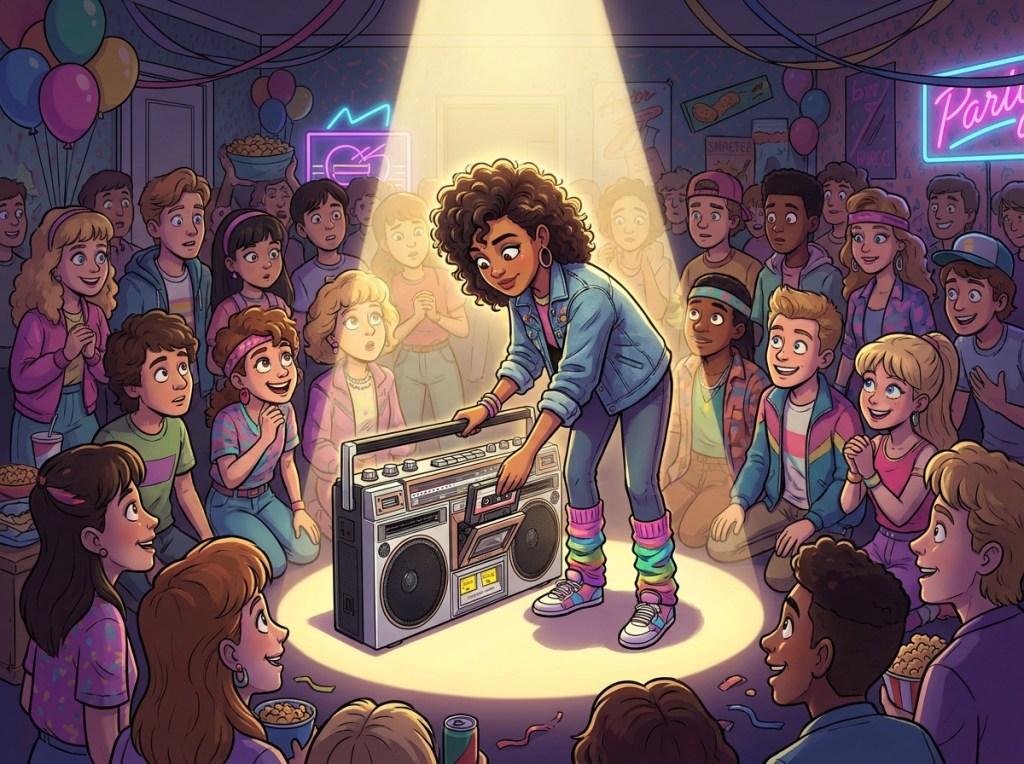
It was a nerve-racking experience taking that cassette out of its case and slipping it into the tape deck. “You guys are gunna love this!” you would assert with a nervous smile. As soon as you pressed play your musical taste was on trial. That first song could make or break your reputation. The mob could be ruthless. If that song wasn’t on point, they wouldn’t hesitate to let it be known. The intro was usually enough to announce what YOU considered a good song; one that would be the opener for your mixtape.
If you heard “awwww”, and not the ‘how cute’ kind, you were done. Laughter, unless it was a funny song, was also a huge thumbs down. A more brutal critic might slam you with: “turn that shit off!”, or “this sux!” and without a swift defence from someone with sway you were sacked. A silent assassin walking over, pressing stop, then eject and handing you back your tape was a cruel coup de grace.
Silence without movement was an edge-of-your-seat affair. You scan the room looking at people’s faces. Maybe their eyes are staring upwards in contemplation, like a judge on MasterChef after taking the first bite from your offering. What next? Is that a smile forming? Hang on! I think it’s confusion. They’re looking around now; oh shit! They are gunna wait for another opinion. Torture!
If you survive the first song ordeal without a direct rejection, your next test will be based on your compatibility competence. Not only is the song on trial, but also the way it compliments or clashes with its predecessor. A mismatch, unless it proves to be some kind of juxtapositional genius, will lose you points instantly. You’ll hear things like: “Yeah, this is a good song, but it doesn’t fit here”, or worse: “what the fuck is this doing here?”
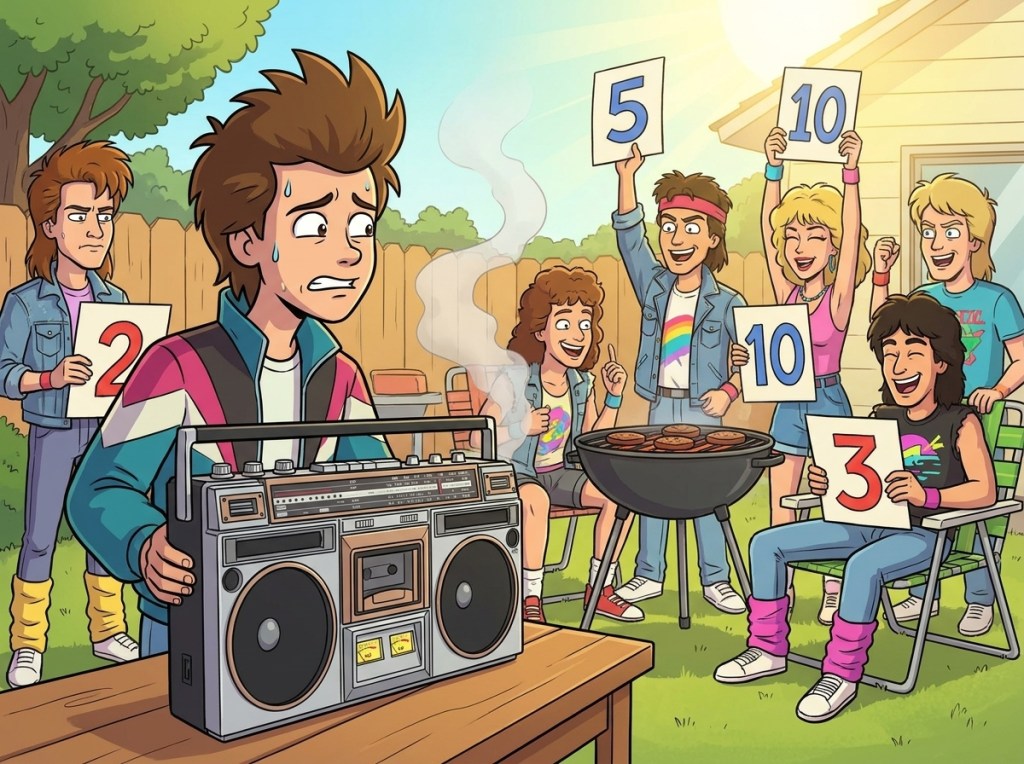
This would be an ongoing barometer for the duration of your tape. The more songs you nail the more forgiving the room becomes. Most of that criteria would be familiar even to the Spotify generation; except for the cassette and tape player part. Although the half-time ruling doesn’t exist in the digital realm. This is where you make it to the end of side 1 of your mix. A victory no doubt, but the ultimate tick of approval comes when you hear “turn it over!”. They want more! You’ve created something special.
However, the major difference ‘when I was your age’ back in the 80s and early 90s was finding your material. It was much tougher to source the songs for your compilation before the internet and the technology for burning your own CDs. These mixtapes were actual cassette tapes; where the mixtape term came from if you didn’t already know.
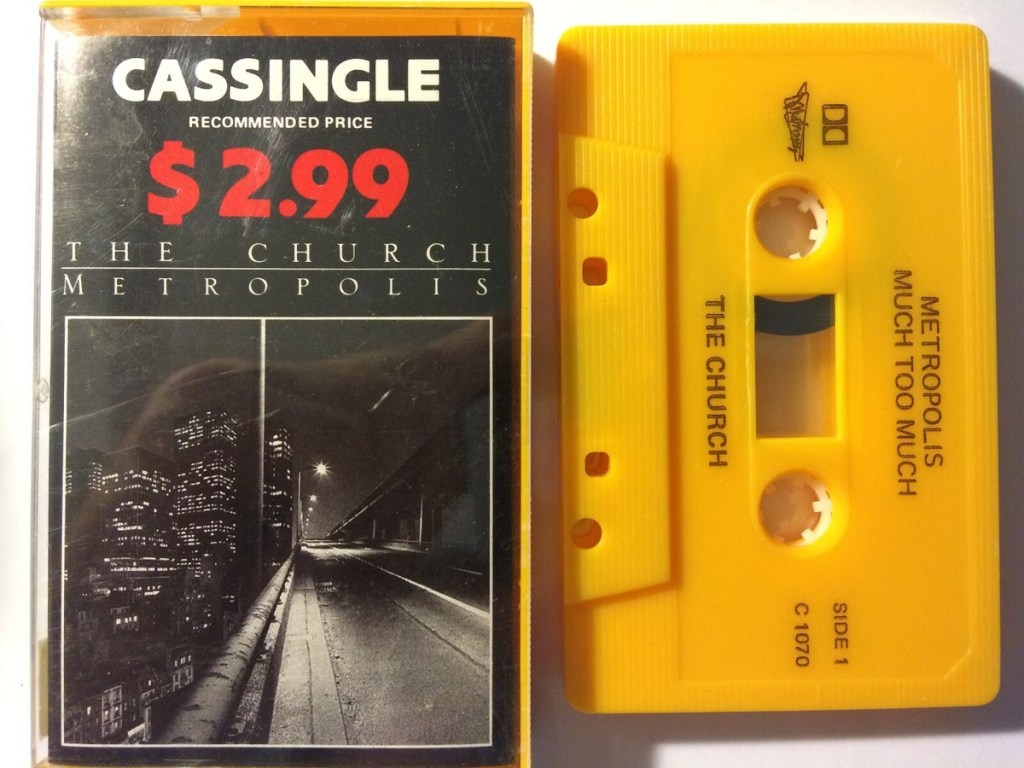
The easiest method was to buy the single (cassingle) from a record store. Not too expensive and you also get a bonus track or two that might provide a hidden gem. Problem there was that not every great song on an album was released as a single. Purchasing every album that has a small selection of tracks you want can get very pricey very fast!
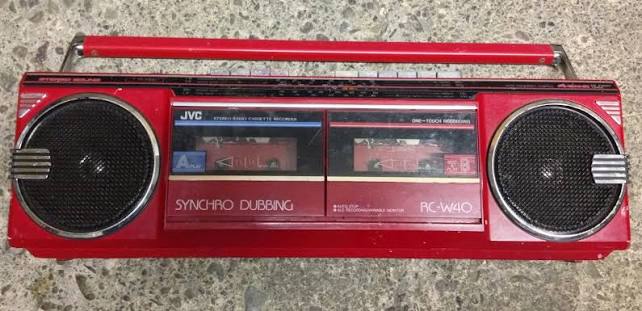
One way around this was exploring the collections of family and friends. Most people didn’t mind lending you an album for a while so you could record your chosen songs to a blank cassette using one of the wonders of our generation – the double tape deck stereo!
One way around this was exploring the collections of family and friends. Most people didn’t mind lending you an album for a while so you could record your chosen songs to a blank cassette using one of the wonders of our generation – the double tape deck stereo!
This could be a slow labour of love, but it was worth it to have your favourite tunes right there on a few tapes. I remember the joy of writing the song titles on that little piece of lined cardboard that sat inside the cassette case. That was your song list; the table of contents for your mixtape. The list of songs you have hunted down and copied for your personal collection.
Now we hit a serious conundrum for the melody acquirer: making a copy from a copy decreases the sound quality every time it is done. You have exhausted all your sources trying to find that one song and the best you could find was your mates mixtape. You have a decision to make here my friend: how bad do you want that song on your tape?
If this is the original copy you may not notice the little drop in audibility and if it is for your own personal use, why not. If you try and sneak it past on your mixtape for the gang, you’re taking a risk. Anyone who notices may call you out and that is a strike against your credibility.
I must repeat our isolation in the land down under here. Finding non-mainstream music or just something older, but a bit obscure was a big ask. Even if you could afford to buy imported stuff, there wasn’t many stores that had it sitting on the shelves for you to sample. They might be able to order something for you if you knew the title and artist, which is another big ask if you heard it at a party or club, or even on the radio and missed the announcement.
Even if you heard it, how good is your memory? Do you carry a pen and paper with you always? Did you even hear it correctly? How can you check?
Basically, the opportunities to even hear foreign music that wasn’t mainstream were scarce. We simply didn’t have many radio stations playing unconventional music. It would usually be a community station that had specialised programs like: Reggae Wednesday, Heavy Metal Midnight, R&B Afternoons, Techno Tuesday.
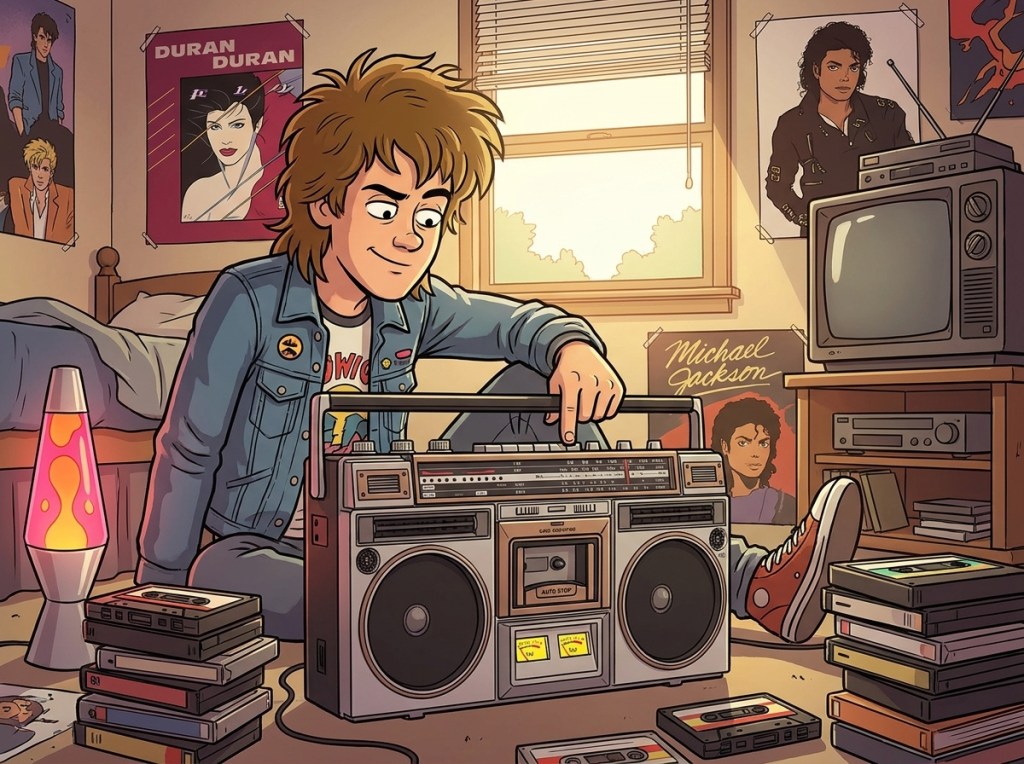
Now you have a small window where you get to hear songs form off the beaten tracks. Do not forget though there will be no advanced menu regarding what the playlist was going to be. This made it a veritable fishing expedition. Sitting in front of the tape recorder, listening to the radio with the play, record and pause buttons all pressed to allow speedy operation as soon as you heard the announcer say what the next song was going to be. This method meant you only had to remove the pause, and the recording would begin quickly and smoothly.
You had to time it so that you didn’t capture the announcer’s voice but still got the maximum intro to the song; a fine balance. Radio DJs had a knack for shutting up just before the lyrics kicked in, but some of those assholes loved the sound of their own voices so much that they chattered away over too much of the song’s opening and fucked your shit up! Motherfuckers! You could never be sure when you would get another chance to capture that rare gem.
The easiest version of this goldmining was when they played the top 40 (or whatever number) for the week. If the song you wanted was on there you at least had an idea of where it was going to be. Of course, if you fucked this task up and your audience heard that announcer’s voice your clout would take a big hit! No shame in taking the free option but using your failed attempt rather than trying again for a clean intro shows a distinct lack of effort and pride in your work.
Oh! And never forget that DJ might decide to start yacking before the song ends too -asshole! At least you could cut that out, but it could leave you questioning if your edit ends too abruptly.
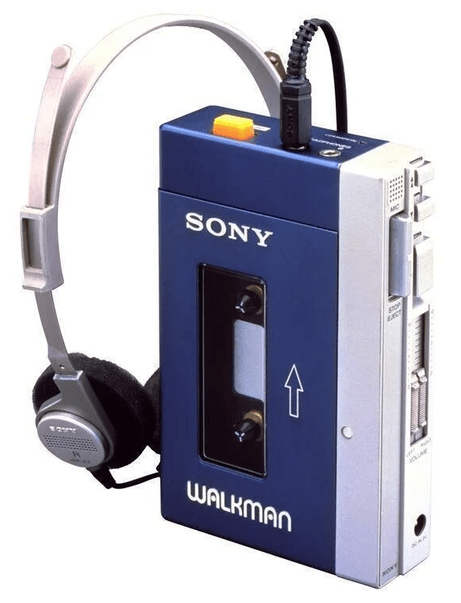
It could certainly be forgiven if you managed to capture a hard-to-find masterpiece. You might even garner kudos if you unearthed something unique – EUREKA! Trying to pass-off a sloppy save from the weekly radio chart show is just laziness. You have no respect for the mixtape craft, and you should keep your clumsy and unambitious drivel for yourself and your Walkman. That’s not a mixtape my friend, that is just a tape with a bunch of songs recorded on it, and if I have to explain why, I am talking to a philistine.
If you managed to prevent anyone from interrupting the flow of your selections, you are one of the good ones. It’s awesome to receive compliments on your knack for the art but just knowing that your friends enjoyed your creation is praise enough. Nothing needs to be said if it played till the end without interference, unless the group is stoned; that might give another explanation. If not, congratulations!
Who’s next?
 MINDLESS MUSINGS
Leave a comment